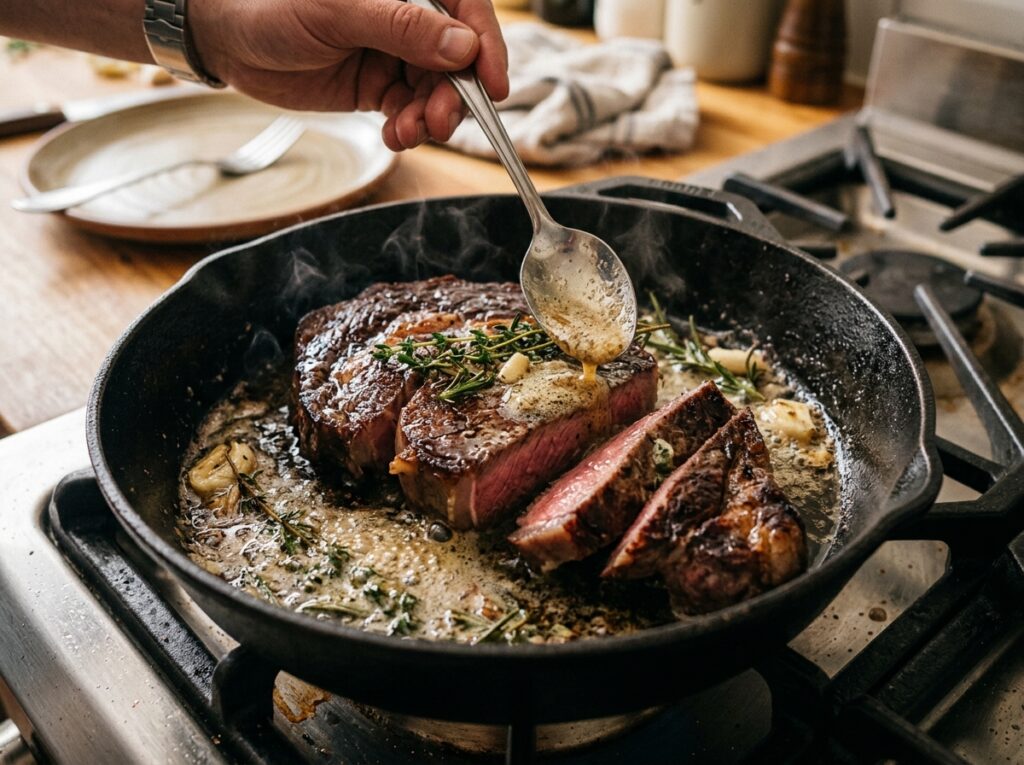
How to Reheat Steak So It Still Tastes Great
Leftover steak can turn from “great dinner” to “chewy regret” fast. That usually happens because the outside gets blasted with heat before the center even warms up. If you want to learn how to reheat steak and keep it juicy, the fix is simple: warm it slowly, then finish it quickly. You don’t need fancy chef skills. You just need the right method, the right temperature, and a little patience.
What is the best way to reheat steak?
The best way to reheat steak is to warm it gently in a low oven, then give it a quick sear in a hot skillet. That brings the center back to life without drying it out, and it helps rebuild that browned crust you liked the first time.
Think of it like warming up a cold car on a winter morning. You don’t floor the gas the second you start it. You let it come up slowly, then drive. Steak works the same way.
Why low heat works better than a blazing hot pan
A hot pan sounds smart, right? Fast heat should mean fast results. But steak doesn’t play nice that way.
If you toss cold steak into a ripping-hot pan and leave it there, the outer layer cooks again before the middle even gets warm. That’s how you end up with a gray, dry band around the edges and a center that’s either cold or overdone.
Low heat gives the inside time to warm evenly. Then the quick sear at the end adds color and texture without pushing the whole steak too far.
Did you know? The same idea behind reverse-searing a fresh steak works for leftovers too. Warm first. Sear last.
The oven and skillet method, step by step
If you only remember one method from this article, make it this one.
- Take the steak out of the fridge and let it sit for 15 to 20 minutes. Don’t leave it out for hours. You just want to take the chill off a bit.
- Heat your oven to 250°F. Put the steak on a wire rack set over a baking sheet if you have one. That helps warm air move around the meat.
- Warm the steak until the center reaches about 100°F to 110°F if you want a pink finish after searing. Thin steaks may take 10 to 15 minutes. A 1-inch steak often needs 20 to 25 minutes. Thicker cuts can take 30 minutes or a little more.
- Pat the surface dry. Moisture is the enemy of a good crust.
- Sear in a hot skillet with a little neutral oil for 30 to 60 seconds per side. If the steak is thick, hit the edges too.
- Rest it for 2 minutes before slicing or serving.
That’s it. Low heat first. Fast finish second.
A cast-iron skillet works especially well here because it holds heat and gives you better browning. Add butter, garlic, or thyme in the last few seconds if you want extra flavor, but don’t start with butter alone. It can burn fast.
Pro tip: If you’re not fully sure where to check the center temperature, here’s a helpful guide on how to read a meat thermometer. A thermometer takes the guesswork out of reheating.
What internal temperature should reheated steak reach?
For the best texture, many home cooks warm leftover steak to the 110°F to 130°F range, based on how pink they want it after the final sear.
Here’s the simple version:
- Want it still pink? Pull it from the oven around 100°F to 110°F, then sear.
- Want it more medium? Warm it closer to 120°F to 125°F, then sear briefly.
- Want it fully hot all the way through? Go higher, but the texture will get firmer.
There’s also the food safety side. The USDA’s general advice for reheating leftovers is 165°F. That’s the safest choice for mixed leftovers, sliced meat in gravy, or anyone at higher risk from foodborne illness.
A whole steak is a little different because it’s a whole-muscle cut, not ground beef. The biggest risk is usually on the surface, and that surface was already cooked the first time. That’s why many cooks reheat steak only to warm, not piping hot. Still, if you’re serving someone who is pregnant, elderly, immunocompromised, or very young, play it safe and reheat more thoroughly or cook a fresh steak instead.
How to reheat steak in a skillet, air fryer, microwave, or sous vide
Not everyone wants to turn on the oven. Fair enough. You’ve got other options. Some are better for speed. Some are better for expensive cuts.
How to reheat steak in a skillet
A skillet-only method works best for thin steaks, sliced steak, or steak tips.
Set the pan over medium-low heat. Add a small amount of oil, or a spoonful of beef broth if the steak is sliced. Put the steak in the pan and flip it often so one side doesn’t take all the heat.
For a whole steak, give it a minute or two per side on lower heat, then raise the heat for a very quick sear if needed.
For sliced steak, keep it even shorter. Thirty to sixty seconds can be enough.
This method is good when you want speed, but it’s easier to overdo than the oven method. Stay close to the stove.
How to reheat steak in an air fryer
Air fryers are fast, but they can dry meat out if you use too much heat.
Set the air fryer to 250°F or 300°F. Put the steak in the basket and heat it for 3 to 5 minutes for thinner cuts, or 5 to 7 minutes for thicker ones. Check early. Air fryers vary a lot.
You won’t always get the same juicy result as the oven-plus-skillet method, but it’s solid if you want a quick lunch and don’t feel like washing extra pans.
A tiny pat of butter after reheating helps a lot here.
How to reheat steak in the microwave without ruining it
Yes, you can use the microwave. No, it’s not the best option for a nice ribeye.
Microwaves heat unevenly and can push steak into rubbery territory fast. Still, if you’re short on time, you can make it work.
Put the steak on a microwave-safe plate. Add a teaspoon of broth, pan juices, or melted butter. Cover it loosely with a microwave-safe lid or a damp paper towel. Heat at 50% power in 30-second bursts, flipping between bursts.
Stop as soon as it’s warm enough.
The microwave makes more sense for steak that’s going into a sandwich, grain bowl, quesadilla, or salad. It makes less sense for a thick steak you want to serve whole.
How to reheat steak with sous vide or a hot water bath
If you’ve got a sous vide setup, this is one of the gentlest ways to reheat steak.
Seal the steak in a food-safe bag and place it in 120°F to 130°F water until warmed through. That often takes 20 to 30 minutes, based on thickness. Then dry it well and sear it quickly in a hot skillet.
No sous vide machine? A carefully monitored hot water bath can still work in a pinch, as long as the bag is fully sealed and the water stays warm, not boiling.
This method shines with thick, expensive steaks because it warms them very evenly.
Choose the right method for your steak
Not every steak should be reheated the same way. Thickness, fat, and doneness all matter.
Thick steaks need gentle reheating
A thick steak gives you a little room to work with. That’s why the oven or sous vide method works so well.
Cuts like a Delmonico steak or a tomahawk steak usually have enough thickness to warm slowly without drying out right away. A fast skillet sear at the end brings back the outside without wrecking the center.
Thin steaks are less forgiving. For those, skip the oven and use a pan over lower heat for a shorter time.
Quick fact: Thickness matters more than weight. A wide, thin 8-ounce steak reheats very differently from a thick 8-ounce filet.
Fatty cuts reheat better than lean cuts
Ribeye tends to reheat better than lean sirloin because the fat protects the meat and adds flavor as it warms. Filet mignon stays tender, but it can lose its magic if you overcook it even a little. Flank and skirt steak do best when sliced thin and reheated quickly.
Premium beef needs extra care. If you paid real money for marbling, don’t throw it in the microwave and hope for the best. A low oven or sous vide method is much kinder to richly marbled beef. If you’re curious about those higher-end cuts, this breakdown of Wagyu vs Kobe beef gives useful context on why texture and fat matter so much.
Can you reheat medium-rare steak?
Yes, you can. In fact, medium-rare steak is often the sweet spot for leftovers because you can warm it back up without pushing it straight into well-done.
The trick is to stop early. Warm it gently, then sear it just long enough to bring back the crust.
If your steak was very rare to begin with, be a little more careful. Safe handling matters a lot there. If you’re not sure how rare is too rare, this article on is blue steak safe clears up the basics.
A real-life example helps here. Say you brought home a medium-rare ribeye from a steakhouse. The next day, you set the oven to 250°F, warm the steak to around 105°F, then sear it for 45 seconds per side in cast iron. You’ll still get a pink center. Do the same thing with high heat from start to finish, and you’ll likely end up somewhere near medium-well.
Mistakes that ruin reheated steak
Most bad leftover steak comes down to a few easy-to-fix mistakes.
Blasting it with high heat from the start:
That dries out the outside before the inside catches up.
Skipping the thermometer:
Steak can jump from warm to overdone quicker than you think. A thermometer saves you from guesswork.
Using the microwave on full power:
That’s the fast lane to rubbery meat. Lower power works much better.
Leaving the steak wet before searing:
A damp surface steams instead of browning. Pat it dry.
Reheating it again and again:
Every round of heat pulls out more moisture. Reheat only the portion you plan to eat.
Warning: If the steak sat out for more than 2 hours at room temperature, or more than 1 hour in hot weather above 90°F, don’t try to save it by reheating. Toss it.
How to reheat steak safely and store leftovers the right way
A good reheating method can’t fix bad storage. Steak has to be stored well before you even think about warming it up.
How long does cooked steak last in the fridge?
Cooked steak usually keeps for 3 to 4 days in the fridge if you store it properly at 40°F or below. Wrap it well or put it in an airtight container.
If you want to keep it longer, freeze it. For best quality, use it within 2 to 3 months. It can stay safe longer if frozen solid, but texture starts to drop.
Try to store steak with any juices it released. Those juices help during reheating.
Can you reheat steak twice?
You can, but it’s not a great plan.
From a safety point of view, it’s only okay if the steak was cooled quickly, stored well, and reheated safely each time. From a quality point of view, it gets worse with every round. The second reheat is where steak often goes from decent to sad.
A smarter move is to slice off only what you need and keep the rest cold.
When should you throw leftover steak away?
Trust your senses, but don’t trust them blindly.
Throw it out if:
- it smells sour or off
- it feels slimy or sticky
- you see mold
- it sat out too long
- you honestly can’t remember when you cooked it
Color changes alone don’t always mean spoilage. Beef can darken in the fridge because of oxidation. Smell and texture tell a better story.
How to make leftover steak taste great again
Reheating is only half the job. The little finishing touches matter too.
Small upgrades that make a big difference
Slice the steak against the grain if you’re serving it cut up. That makes each bite feel more tender, even if the steak cooked a little further than you planned.
Add flavor after reheating, not just before. A spoon of garlic butter, chimichurri, pan sauce, or even flaky salt can wake up leftover steak fast.
If the steak isn’t perfect enough to serve as a main, turn it into something else. Tuck it into tacos. Add it to a rice bowl. Put it over eggs. Layer it in a sandwich with mustard and onions. A good leftover strategy beats pretending the steak is fresh off the grill.
And if you saved the whole steakhouse plate, don’t reheat everything the same way. Steak wants gentle heat. Fries want dry, high heat. If you’ve got both, reheat them separately. Here’s a handy guide on how to reheat French fries so the sides don’t flop while the steak gets tender again.
4. FAQ Section
FAQ
Can you reheat steak without overcooking it?
Yes. The best way is to warm it slowly first, then sear it fast. A 250°F oven plus a quick skillet finish gives you the best shot at keeping the center juicy and the outside browned.
How long does it take to reheat steak?
It depends on thickness and method. In a 250°F oven, a thin steak may need 10 to 15 minutes, a 1-inch steak often takes 20 to 25 minutes, and thicker steaks can take 30 minutes or more. In an air fryer, it may take 3 to 7 minutes. In the microwave, usually 1 to 2 minutes total in short bursts.
Is the oven the best way to reheat steak?
For most people, yes. The oven gives you gentle, even heat, and the skillet at the end brings back the crust. If the steak is thin or already sliced, a skillet-only method can be faster and work just as well.
Can you reheat steak in the microwave?
Yes, but it’s the weakest option for texture. Use 50% power, short bursts, and a little moisture like broth or butter. It works best for steak that’s going into another dish, not for a thick steak you want to serve whole.
Can you keep reheated steak pink inside?
Yes, if the steak started medium-rare or rare and you reheat it gently. Pull it from the oven around 100°F to 110°F, then sear it very briefly. That helps keep the center pink instead of pushing it into gray territory.
Can you eat leftover steak cold?
If the steak was cooked properly, chilled promptly, and kept in the fridge for no more than 3 to 4 days, many people do eat it cold in salads or sandwiches. Still, if you’re in a higher-risk group for foodborne illness, reheating it thoroughly is the safer move.
5. Conclusion
Good leftover steak isn’t luck. It’s just a matter of using low heat, a quick finish, and a thermometer instead of guesswork. If you want the easiest answer to how to reheat steak, go with the oven-and-skillet method. It gives you the best balance of juicy center and crisp outside.
Next time you spot that steak in the fridge, don’t rush it and don’t nuke it on full power. Warm it gently, finish it fast, and give your leftovers a proper second shot.